The Lahore Project

An AR tour guide is designed to immerse museum visitors into the exhibit in order to educate visitors beyond the static placards

Project:

University of Maryland, Senior Thesis

Role:

UI.UX, AR Development

Date:

2022-2023

The Problem Statement

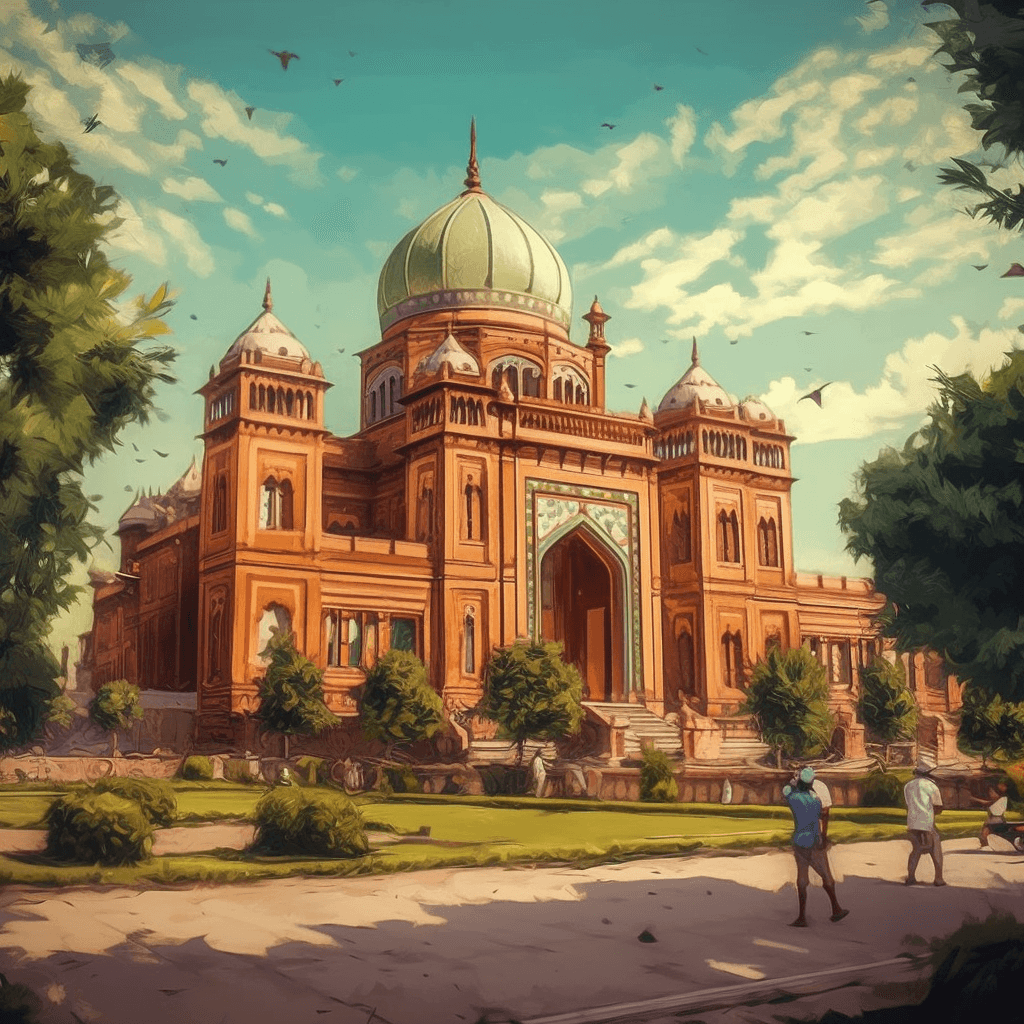
The Lahore Project introduces Augmented Reality to Pakistan's Lahore Museum to preserve its rich history, educate the public, generate funding, and integrate Extended Reality into historical sites in a developing country.

Tools

Unity, Figma, Maya, Photoshop, and Reality Capture
Process

Process

01

Research & Analysis

Throughout my analysis, I carried out discussions with users, noted observer engagements, pinpointed trends in behavior and demographics, and examined the archive library at the museum for additional understanding.

02

Wireframing & Prototyping

We conducted user interviews, surveys, and analyzed in-app analytics to understand the pain points and user needs. We also studied competitor apps and industry trends to gather insights

03

Usability Testing

We conducted user interviews, surveys, and analyzed in-app analytics to understand the pain points and user needs. We also studied competitor apps and industry trends to gather insights

04

Visual Design & Style Guide

We conducted user interviews, surveys, and analyzed in-app analytics to understand the pain points and user needs. We also studied competitor apps and industry trends to gather insights

We conducted user interviews, surveys, and analyzed in-app analytics to understand the pain points and user needs. We also studied competitor apps and industry trends to gather insights

01

Research & Analysis

Throughout my analysis, I carried out discussions with users, noted observer engagements, pinpointed trends in behavior and demographics, and examined the archive library at the museum for additional understanding.

02

Wireframing & Prototyping

We conducted user interviews, surveys, and analyzed in-app analytics to understand the pain points and user needs. We also studied competitor apps and industry trends to gather insights

03

Usability Testing

We conducted user interviews, surveys, and analyzed in-app analytics to understand the pain points and user needs. We also studied competitor apps and industry trends to gather insights

04

Visual Design & Style Guide

We conducted user interviews, surveys, and analyzed in-app analytics to understand the pain points and user needs. We also studied competitor apps and industry trends to gather insights

We conducted user interviews, surveys, and analyzed in-app analytics to understand the pain points and user needs. We also studied competitor apps and industry trends to gather insights

01

Research & Analysis

Throughout my analysis, I carried out discussions with users, noted observer engagements, pinpointed trends in behavior and demographics, and examined the archive library at the museum for additional understanding.

02

Wireframing & Prototyping

We conducted user interviews, surveys, and analyzed in-app analytics to understand the pain points and user needs. We also studied competitor apps and industry trends to gather insights

03

Usability Testing

We conducted user interviews, surveys, and analyzed in-app analytics to understand the pain points and user needs. We also studied competitor apps and industry trends to gather insights

04

Visual Design & Style Guide

We conducted user interviews, surveys, and analyzed in-app analytics to understand the pain points and user needs. We also studied competitor apps and industry trends to gather insights

We conducted user interviews, surveys, and analyzed in-app analytics to understand the pain points and user needs. We also studied competitor apps and industry trends to gather insights

01

Research & Analysis

Throughout my analysis, I carried out discussions with users, noted observer engagements, pinpointed trends in behavior and demographics, and examined the archive library at the museum for additional understanding.

02

Wireframing & Prototyping

We conducted user interviews, surveys, and analyzed in-app analytics to understand the pain points and user needs. We also studied competitor apps and industry trends to gather insights

03

Usability Testing

We conducted user interviews, surveys, and analyzed in-app analytics to understand the pain points and user needs. We also studied competitor apps and industry trends to gather insights

04

Visual Design & Style Guide

We conducted user interviews, surveys, and analyzed in-app analytics to understand the pain points and user needs. We also studied competitor apps and industry trends to gather insights

We conducted user interviews, surveys, and analyzed in-app analytics to understand the pain points and user needs. We also studied competitor apps and industry trends to gather insights

How Might We Questions?

01

How might we create an immersive AR experience that encourages visitors to explore the deeper historical context of Mughal artifacts, beyond just their aesthetic appeal?

02

How might we design intuitive navigation in the AR tour that guides users through the large exhibits, ensuring they engage meaningfully with all significant artifacts?

03

How might we make the AR experience more inclusive for visitors of diverse language and educational backgrounds?

Research
Target Users

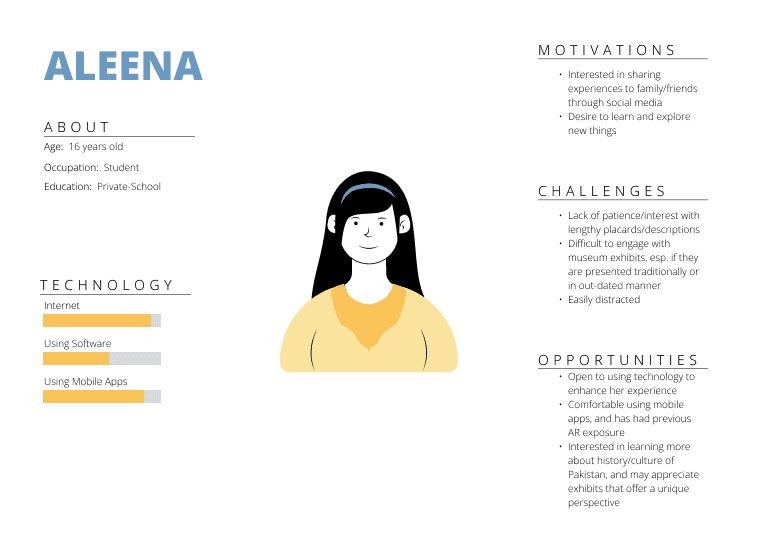
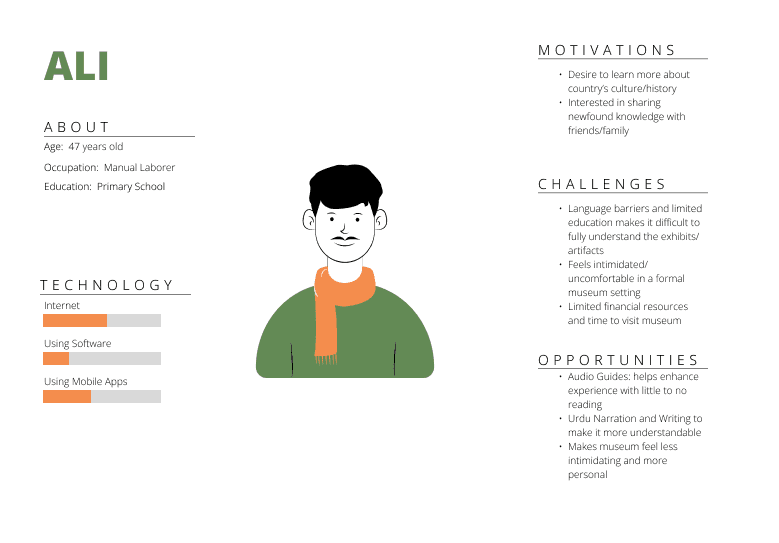
Lahore Museum Visitors

Museum Enthusiasts

Pakistani’s (Tourism rates aren’t currently very high)

Target Users

Lahore Museum Visitors

Museum Enthusiasts

Pakistani’s (Tourism rates aren’t currently very high)

Research Methods

User Interviews

Surveys (In-Process)

Museum Documentation/Archive Library

Research Methods

User Interviews

Surveys (In-Process)

Museum Documentation/Archive Library

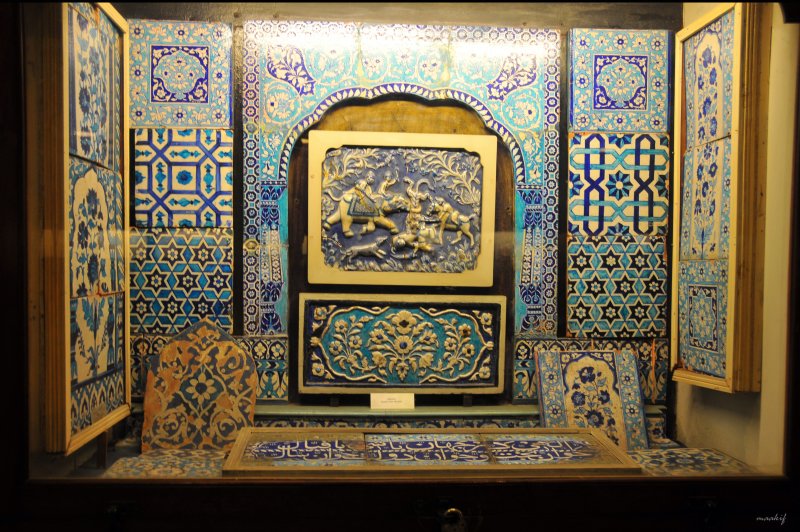
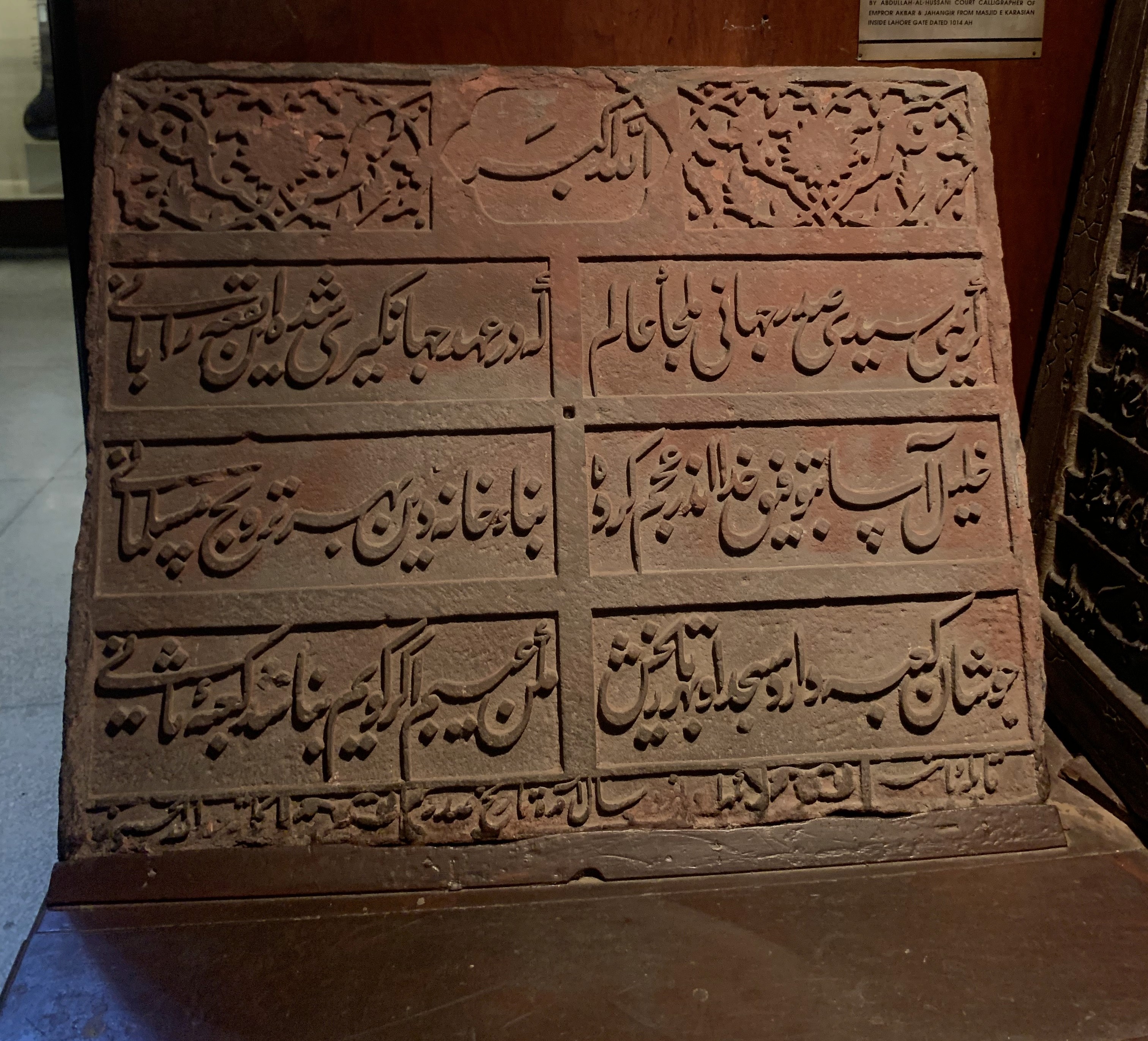
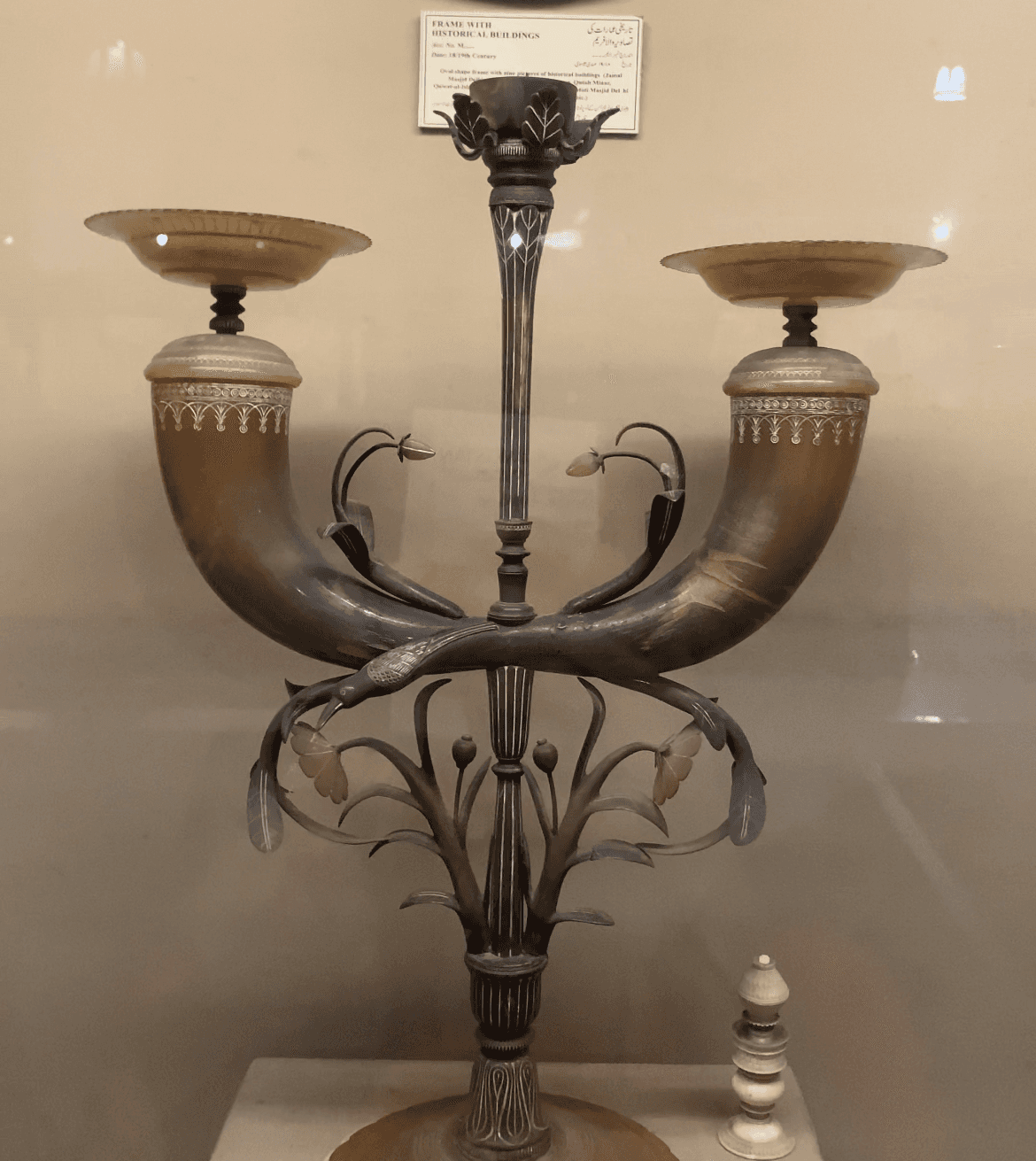
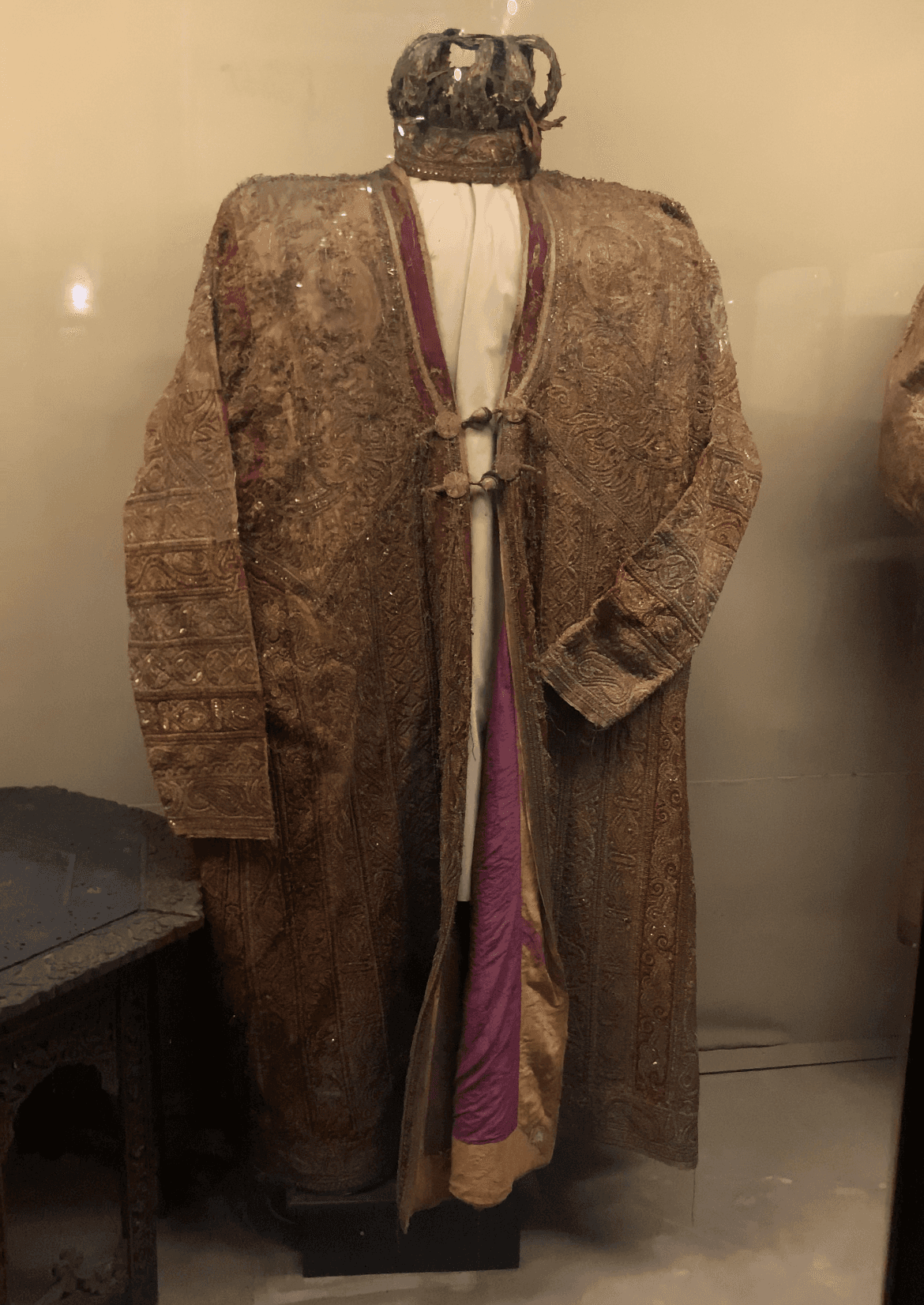
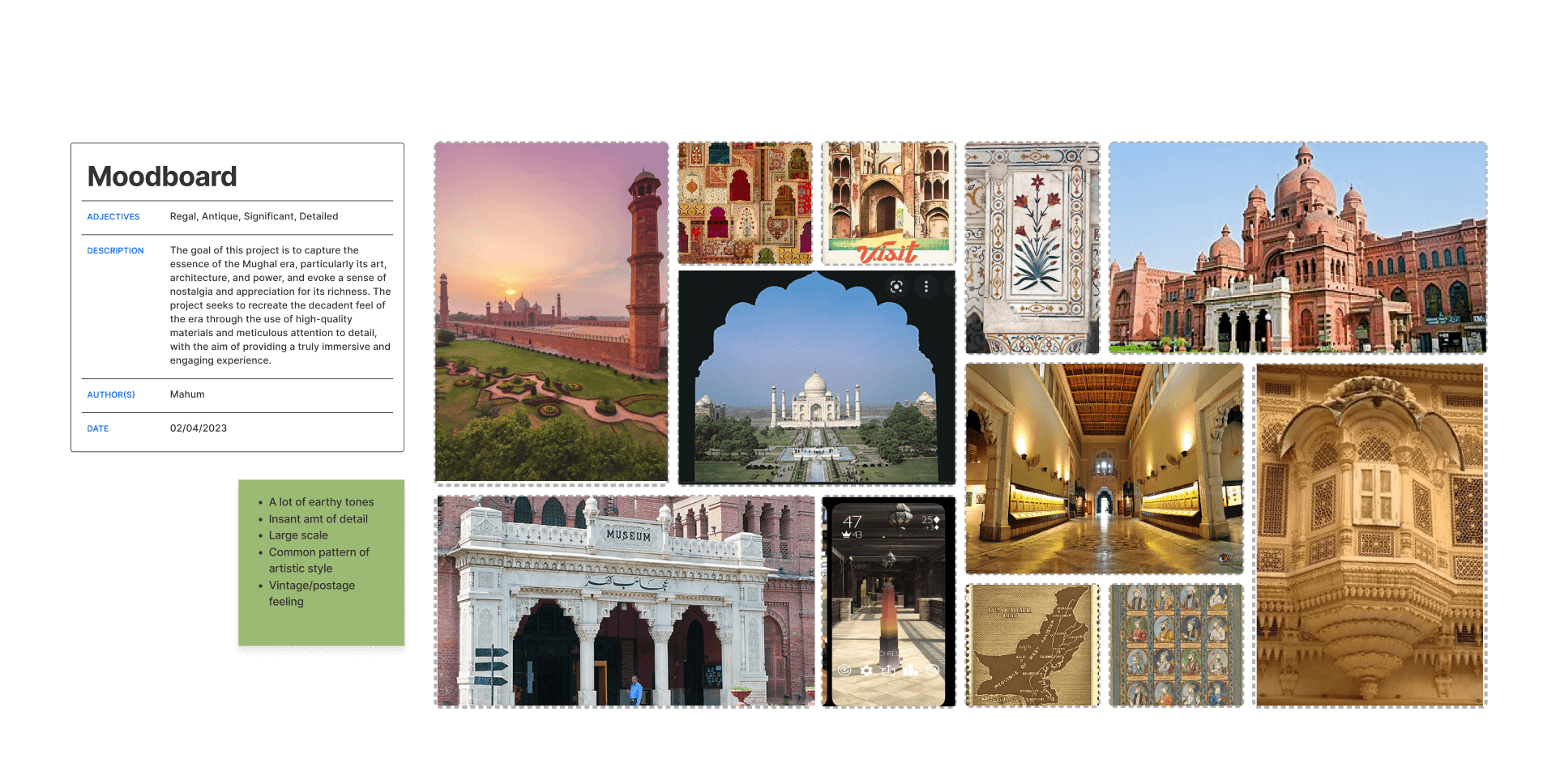
The Mughal Exhibit heavily emphasizes integrating art into the culture and tells the story of how the Mughals revolutionized fashion, architecture, language, and more across the South Asian region.


Key Findings

01

Aesthetics

Visitors care more about capturing aesthetics of artifacts rather than appreciating its history.

02

Navigation

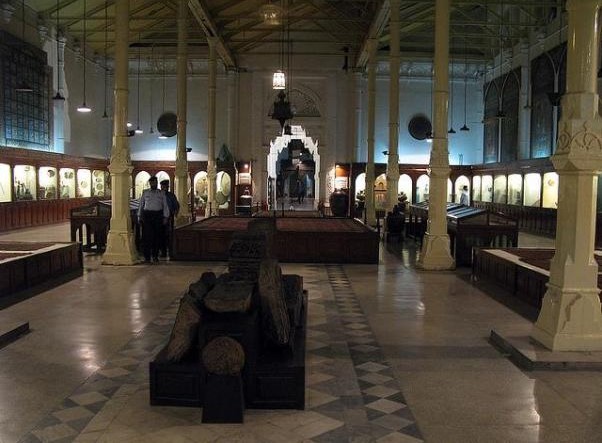
5 large exhibits, but lack of context with navigation causes people to skim/skip over significant artifacts.

03

Accessibility

Many of the placards are written in English. This prevents those unable to speak English/those with limited schooling to miss out on key information.

04

Presentation

The average passerby doesn’t have the opportunity to be taken throughout the museum by a tour guide. Therefore, missing out on highly informative/engaging material that adds deeper context to the history and cultural artifacts.

01

Aesthetics

Visitors care more about capturing aesthetics of artifacts rather than appreciating its history.

02

Navigation

5 large exhibits, but lack of context with navigation causes people to skim/skip over significant artifacts.

03

Accessibility

Many of the placards are written in English. This prevents those unable to speak English/those with limited schooling to miss out on key information.

04

Presentation

The average passerby doesn’t have the opportunity to be taken throughout the museum by a tour guide. Therefore, missing out on highly informative/engaging material that adds deeper context to the history and cultural artifacts.

01

Aesthetics

Visitors care more about capturing aesthetics of artifacts rather than appreciating its history.

02

Navigation

5 large exhibits, but lack of context with navigation causes people to skim/skip over significant artifacts.

03

Accessibility

Many of the placards are written in English. This prevents those unable to speak English/those with limited schooling to miss out on key information.

04

Presentation

The average passerby doesn’t have the opportunity to be taken throughout the museum by a tour guide. Therefore, missing out on highly informative/engaging material that adds deeper context to the history and cultural artifacts.

01

Aesthetics

Visitors care more about capturing aesthetics of artifacts rather than appreciating its history.

02

Navigation

5 large exhibits, but lack of context with navigation causes people to skim/skip over significant artifacts.

03

Accessibility

Many of the placards are written in English. This prevents those unable to speak English/those with limited schooling to miss out on key information.

04

Presentation

The average passerby doesn’t have the opportunity to be taken throughout the museum by a tour guide. Therefore, missing out on highly informative/engaging material that adds deeper context to the history and cultural artifacts.

User Insights

Concept

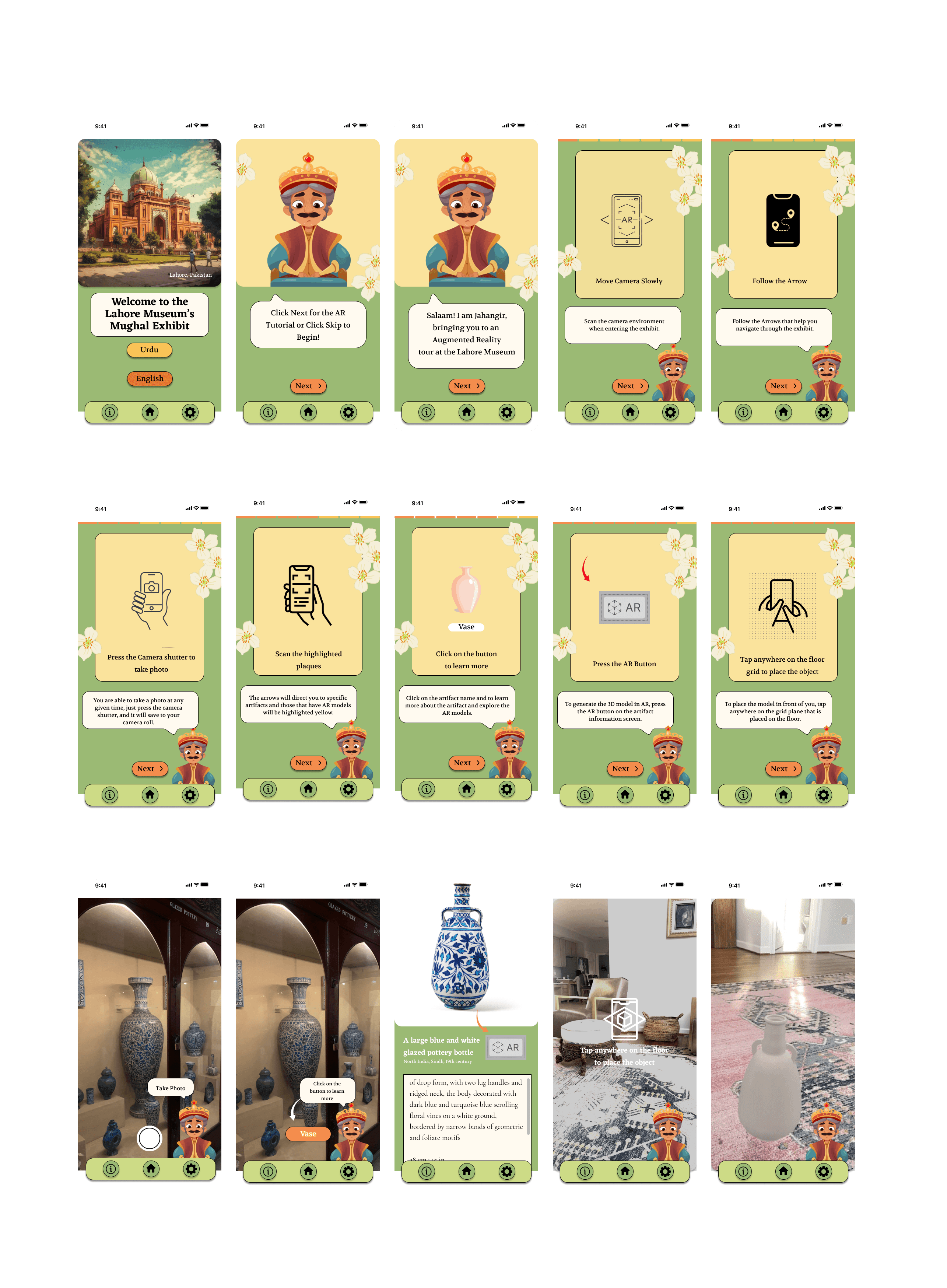
I collaborated with the Lahore Museum in Pakistan to develop an Augmented Reality (AR) tour guide for The Mughal Exhibit. This project draws the attention of visitors with little to no AR experience to immerse themselves in a guided virtual tour.


Meeting User Needs


Ability to take photos in the application

Urdu Narration and Text for Non-English Speakers

Tour Guide to help formally guide users through the exhibit focuses on sharing the information that isn’t on the plaque but is relevant to the overall context and various artifacts

Encourages users to experience novelty technology and especially engages the younger generation in the atmosphere
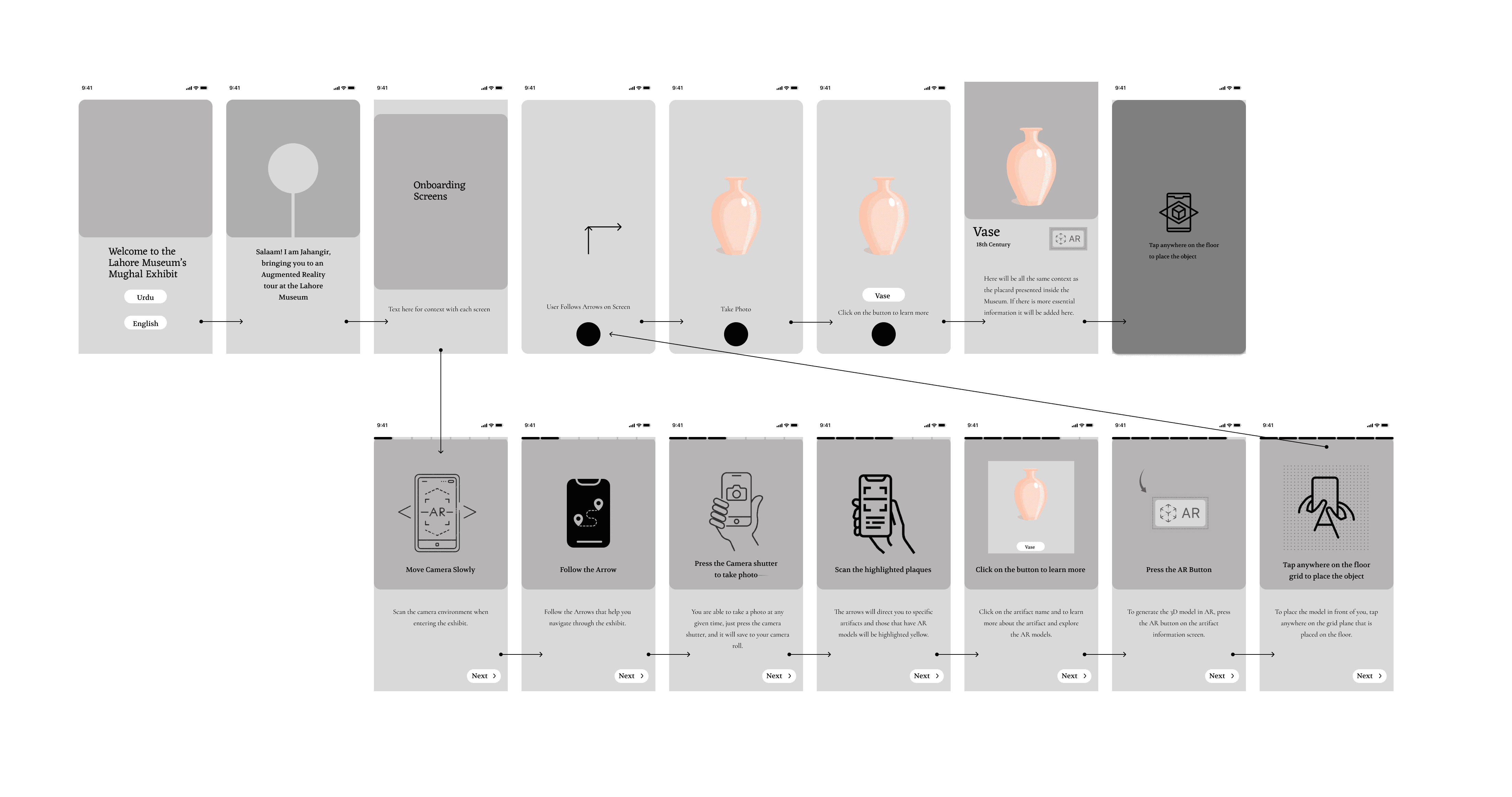
Low-Fidelity Prototype

Design Documentation
Product Design Requirements (PRD)


Product Design Requirements (PRD)

01

3D Models

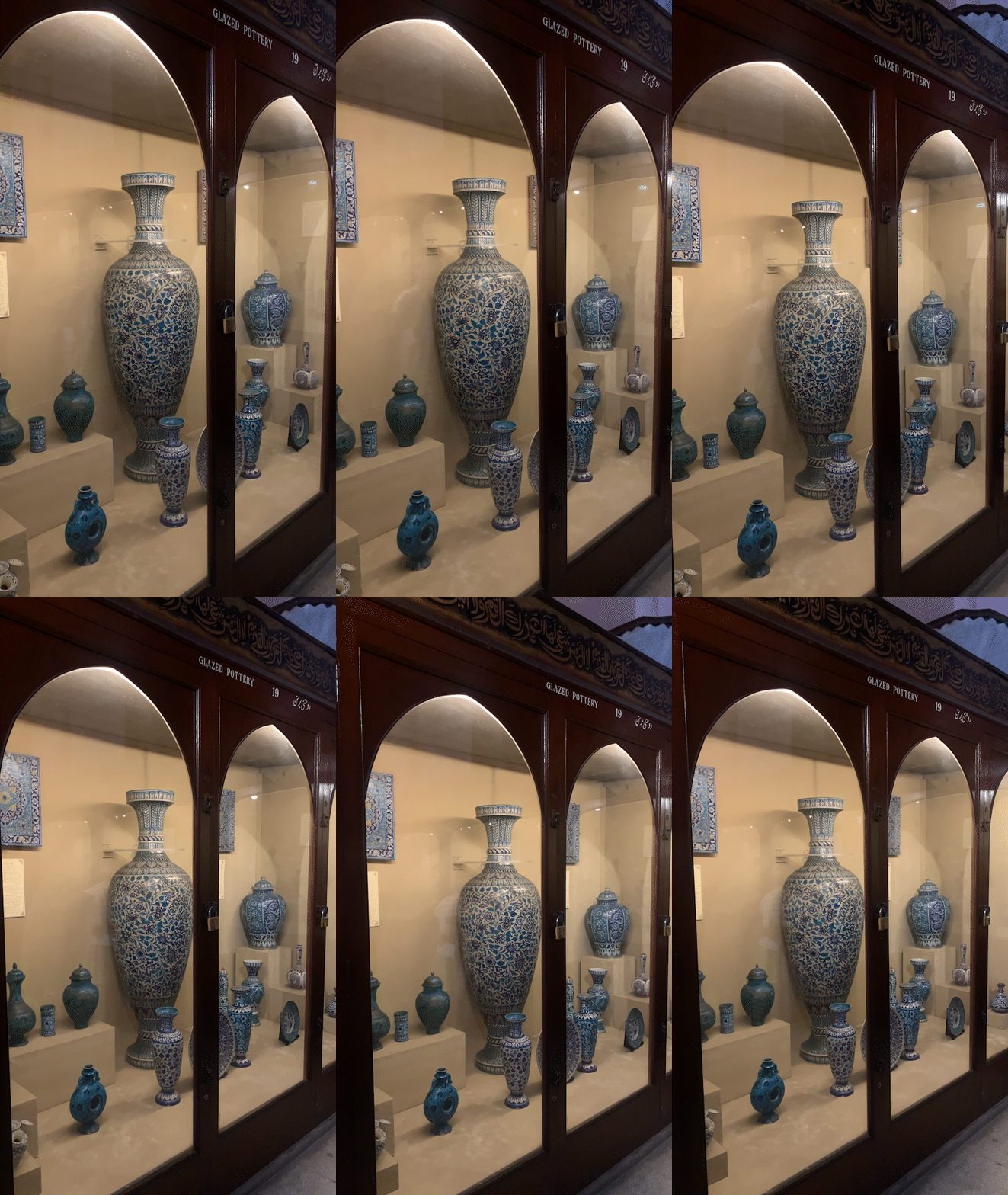
After the camera has identified the object, it will prompt a UI screen with a virtual placard and a feature to explore the artifact in AR.

02

Photogrammetry

5 large exhibits, but lack of context with navigation causes people to skim/skip over significant artifacts.

03

Audio

Many of the placards are written in English. This prevents those unable to speak English/those with limited schooling to miss out on key information.

04

UI Event System

The average passerby doesn’t have the opportunity to be taken throughout the museum by a tour guide. Therefore, missing out on highly informative/engaging material that adds deeper context to the history and cultural artifacts.

01

3D Models

After the camera has identified the object, it will prompt a UI screen with a virtual placard and a feature to explore the artifact in AR.

02

Photogrammetry

5 large exhibits, but lack of context with navigation causes people to skim/skip over significant artifacts.

03

Audio

Many of the placards are written in English. This prevents those unable to speak English/those with limited schooling to miss out on key information.

04

UI Event System

The average passerby doesn’t have the opportunity to be taken throughout the museum by a tour guide. Therefore, missing out on highly informative/engaging material that adds deeper context to the history and cultural artifacts.

01

3D Models

After the camera has identified the object, it will prompt a UI screen with a virtual placard and a feature to explore the artifact in AR.

02

Photogrammetry

5 large exhibits, but lack of context with navigation causes people to skim/skip over significant artifacts.

03

Audio

Many of the placards are written in English. This prevents those unable to speak English/those with limited schooling to miss out on key information.

04

UI Event System

The average passerby doesn’t have the opportunity to be taken throughout the museum by a tour guide. Therefore, missing out on highly informative/engaging material that adds deeper context to the history and cultural artifacts.

01

3D Models

After the camera has identified the object, it will prompt a UI screen with a virtual placard and a feature to explore the artifact in AR.

02

Photogrammetry

5 large exhibits, but lack of context with navigation causes people to skim/skip over significant artifacts.

03

Audio

Many of the placards are written in English. This prevents those unable to speak English/those with limited schooling to miss out on key information.

04

UI Event System

The average passerby doesn’t have the opportunity to be taken throughout the museum by a tour guide. Therefore, missing out on highly informative/engaging material that adds deeper context to the history and cultural artifacts.

Impact

The Lahore Project aims not only to enhance visitor engagement through AR but also to raise awareness and generate funding for the museum’s maintenance, artifact preservation, cultural footprint, and efforts to promote greater cultural awareness across the Pakistani Population

High-Fidelity Prototype